


top > Home
Home
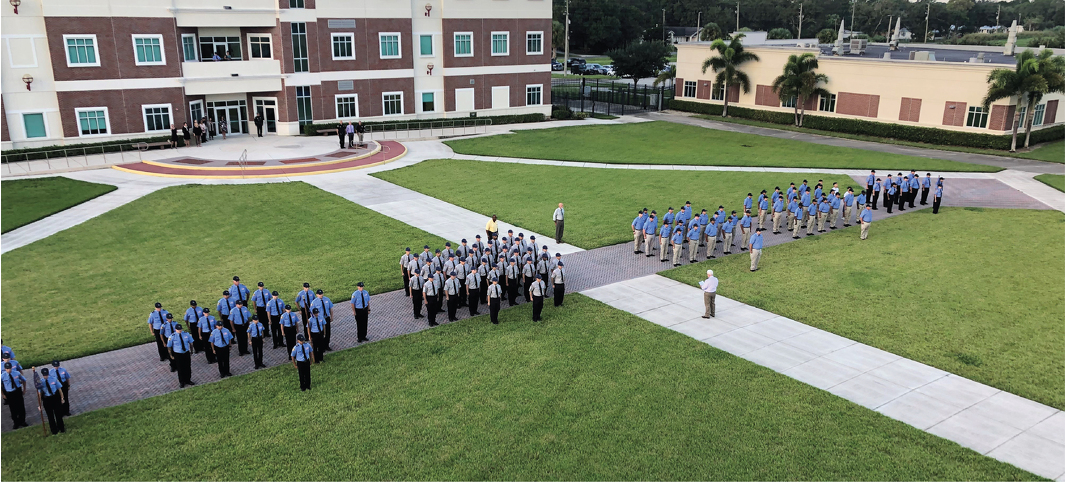
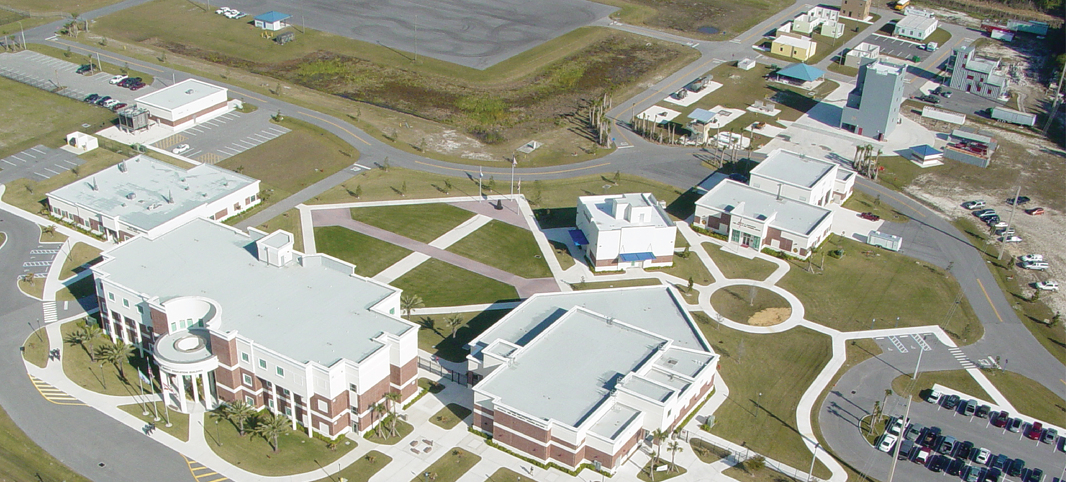
The Treasure Coast Public Safety Training Complex at Indian River State College (IRSC) is one of the most comprehensive, technologically advanced public safety training facilities in the nation. The complex is home to 18 programs that include Bachelors and Associate degrees, as well as technical certificate programs. The 50-acre, eight-building complex also provides advanced training for regional first responders.


.png)
Leave Your Legacy at the Treasure Coast Public Safety Training Complex

.jpg)

Friday, February 27, 2026
Indian River State College – V Building
Kight Center for Emerging Technologies
Full-Day Event
Breakfast & Lunch Provided
️FREE to Attend
Join Indian River State College for a full-day AI & Public Safety Symposium exploring how artificial intelligence is transforming emergency management, law enforcement, fire rescue, EMS, and public safety operations.
This dynamic, hands-on event will bring together first responders, emergency managers, public safety professionals, students, educators, technology leaders, and community partners to examine real-world applications of AI—from decision support and situational awareness to training, response, and recovery.
Attendees will hear from industry experts and practitioners, participate in engaging discussions, and explore emerging technologies shaping the future of public safety.
✔️ Open to first responders, professionals, students, and community members interested in learning more
✔️ No cost to attend
✔️ Networking opportunities throughout the day
✔️ Breakfast and lunch included
Whether you’re on the front lines, in leadership, or simply curious about how AI is influencing public safety, this symposium is designed to inform, inspire, and connect.
Registration Link: https://linktr.ee/AI_Symposium2026
IRSC Public Service Education Celebrates EMT Graduation Class 2025
Date:
Thursday, December 11, 2025
Summary:
Indian River State College’s Public Service Academy recently celebrated the graduation of 75 students from its Emergency Medical Technician (EMT) certificate program during a ceremony at the Public Safety Training Complex on December 10, 2025, in Fort Pierce, Florida. The graduates completed a rigorous 12-credit program that combined classroom instruction, hands-on lab work, clinical rotations, and field internships designed to meet National EMS Education Standards and Florida requirements, preparing them for entry-level EMT roles. College leadership praised the graduates for their dedication, technical competence, and commitment to community service. These graduates are now eligible to take the National Registry of Emergency Medical Technicians certification exam and pursue Florida state licensure, positioning them to provide crucial emergency care in their communities. more…
Guardian Angel Drone Pilot Demonstration Takes Flight at IRSC Public Safety
Date:
Monday, November 17, 2025
Summary:
The Guardian Angel Team visited IRSC’s Public Safety Education Campus to demonstrate Florida’s new drone-based school safety initiative. Students and faculty learned how the technology supports emergency response and enhances threat-deterrence efforts. The visit offered public safety students a firsthand look at an innovation now being piloted in select Florida districts. more…
IRSC Fire Academy Celebrates Graduation of Newest Recruit Class 188
Date:
Thursday, November 13, 2025
Summary:
IRSC’s Fire Academy celebrated the graduation of its latest recruit class 188 with a ceremony highlighting tradition, teamwork, and the commitment required of future firefighters. Family, faculty, and public safety leaders joined to honor the graduates, who received their diplomas, challenge coins, and words of encouragement as they prepare to begin their careers in the fire service. more…
St. Lucie County’s Own Brian Riebe Crowned 2024 World Champion at Firefighter Combat Challenge
Date:
Friday, October 25, 2024
Summary:
St. Lucie County firefighter Brian Riebe has earned the title of 2024 Firefighter Combat Challenge World Champion, bringing global recognition to the county and the local fire service community. His victory, marked by the presentation of the official championship trophy, celebrates exceptional skill, endurance, and dedication to the profession. more…
Our Campus
Treasure Coast Public Safety Training Complex
4600 Kirby Loop Road
Fort Pierce
FL
34981
US
14
Contact
Mailing Address:
3209 Virginia Avenue
Fort Pierce, FL 34981
Physical Address:
4600 Kirby Loop Road
Fort Pierce, FL 34981
Tel: 772-462-7150
Fax: 772-462-7955


